Larch Creek Birds
What the birds (and frogs) are saying at a creek in western Washington

Bird
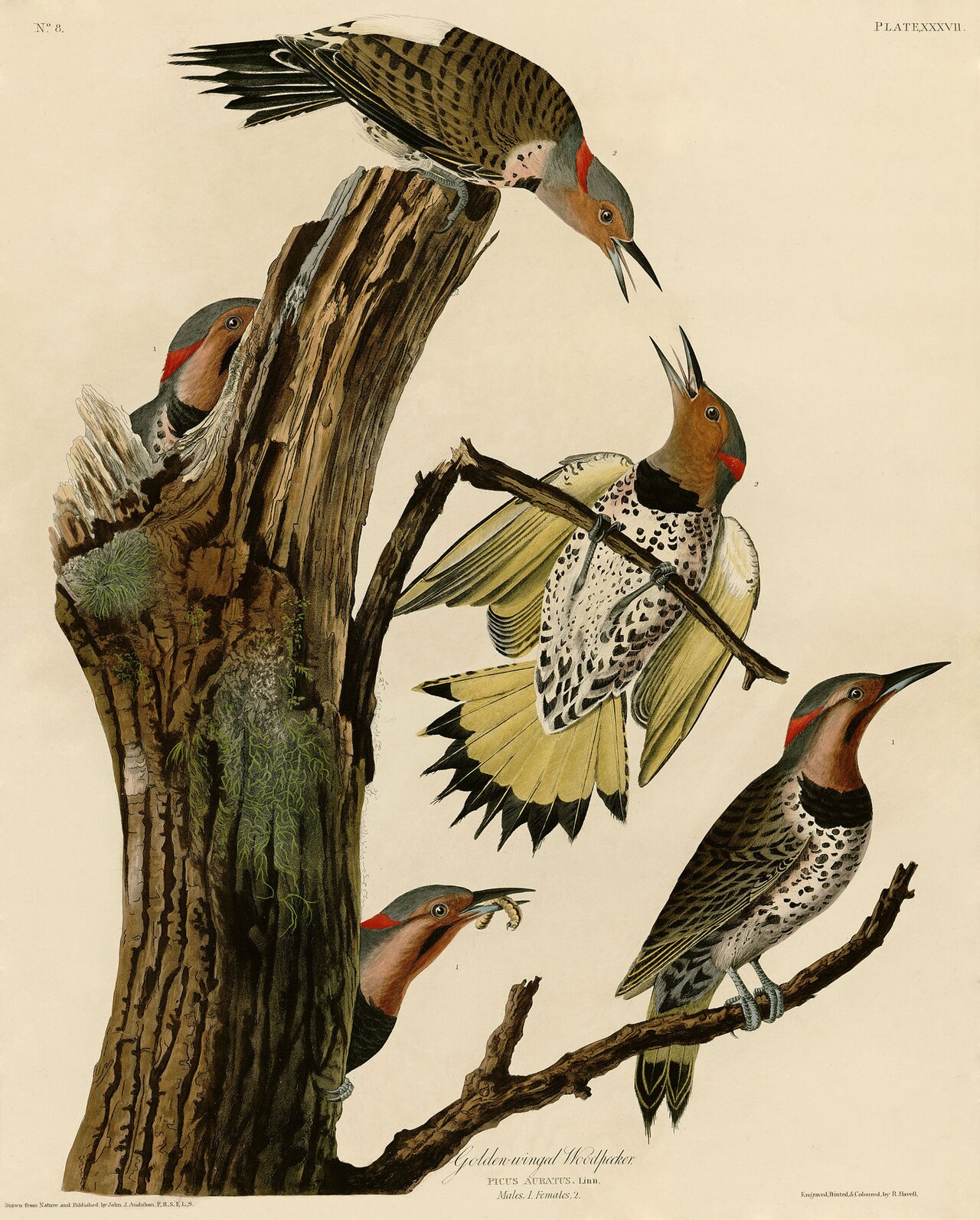
Northern Flicker
Colaptes auratus
Woodpeckers (Picidae)
Year-round resident. Expected at the creek in every month.
- Field marks
- A big brown woodpecker barred on the back and spotted below, with a black bib and a white rump that flashes in flight; our western birds have salmon-red underwings.
- Male & female
- The male has a red moustache stripe; the female has none.
- Voice
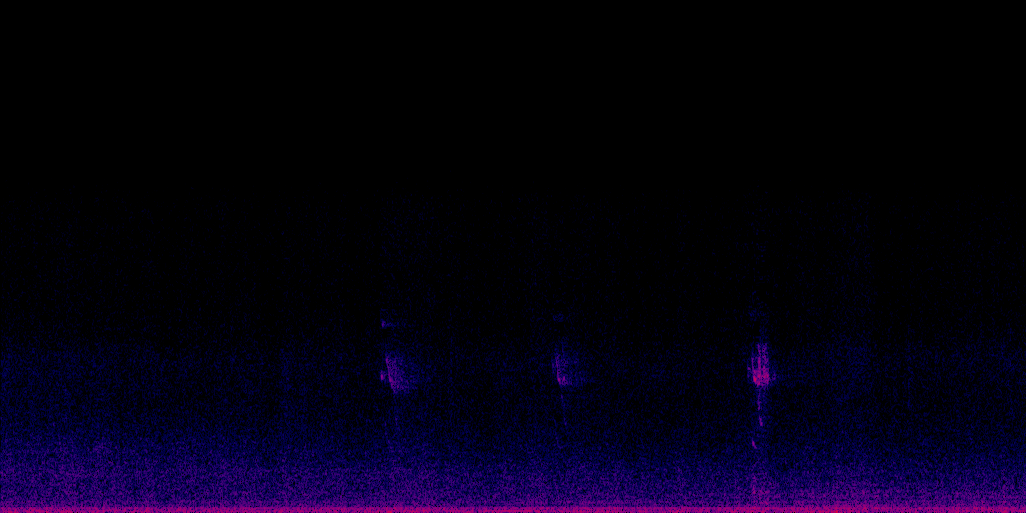
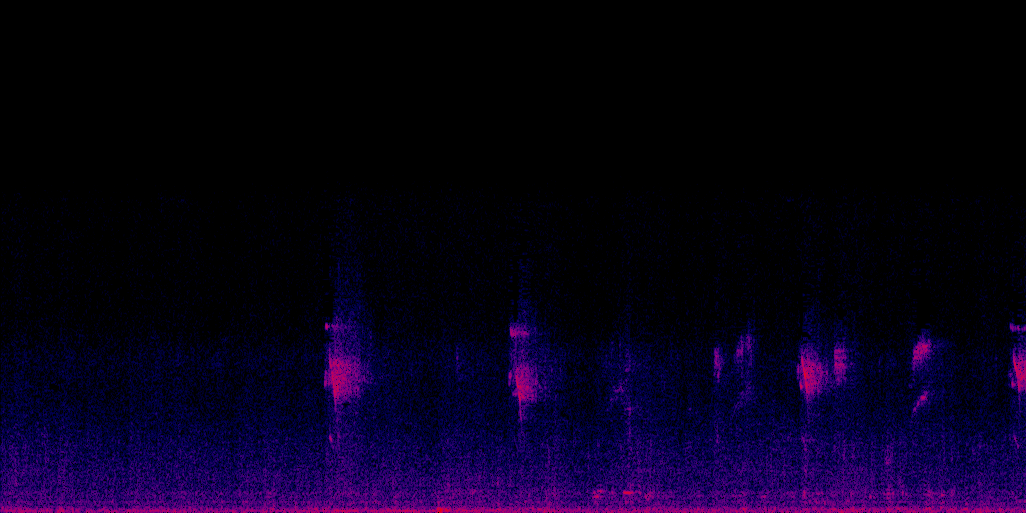
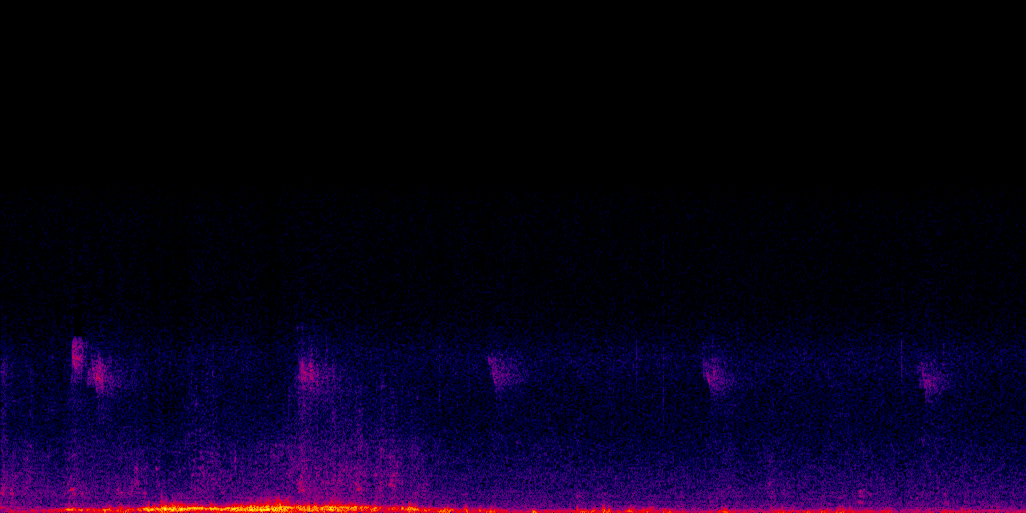
- A loud, laughing 'wick-wick-wick-wick' that goes on rather longer than necessary, a single sharp 'kleer', and springtime drumming on anything resonant, including chimney caps at 6 a.m.
- Diet
- Ants above all, taken on the ground with a sticky tongue that unreels to 2 inches, plus beetles, berries and seeds in winter.
- Habitat
- Open woodland, forest edges, gardens. Feeds on the ground more than any other woodpecker, which the other woodpeckers find a bit much.
- Nesting
- Excavates a cavity in a dead tree; 5–8 eggs. Old flicker holes house owls, swallows and squirrels for years afterwards: the woodpecker builds the apartment block, everyone else moves in.
- Size
- 12–14 in long, 4–5½ oz: about a baseball, if a baseball were mostly feathers and ate ants.
Northern birds move south for winter and join ours, so flickers get more numerous and louder from October.
Season how expected it is here, week by week
At the creek 133 calls on 4 days, first Oct 28, last Oct 31
Recordings
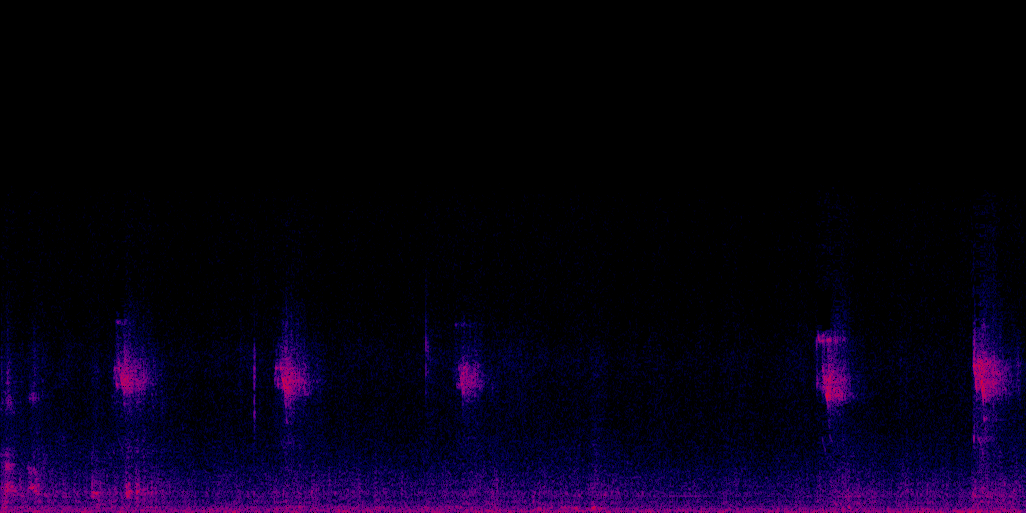
Clearest recording · Oct 31 4:27 pm · 98% sure
Recent · Oct 31 5:46 pm · 93% sure
Recent · Oct 31 5:45 pm · 86% sure
Recent · Oct 31 5:45 pm · 93% sure
From the encyclopedia
The northern flicker or common flicker is a medium-sized bird of the woodpecker family. It is native to most of North America, parts of Central America, Cuba, and the Cayman Islands, and is one of the few woodpecker species that migrate. Over 100 common names for the northern flicker are known, including yellowhammer, clape, gaffer woodpecker, harry-wicket, heigh-ho, wake-up, walk-up, wick-up, yarrup, and gawker bird. Many of these names derive from attempts to imitate some of its calls.
From Wikipedia, "Northern flicker", CC BY-SA 4.0.