Larch Creek Birds
What the birds (and frogs) are saying at a creek in western Washington

Bird
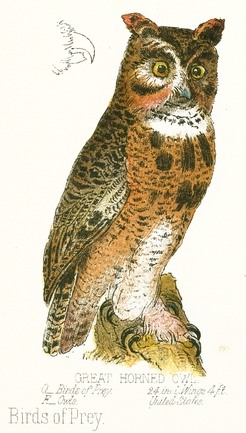
Great Horned Owl
Bubo virginianus
Owls (Strigidae)
Year-round resident. Expected at the creek in every month.
- Field marks
- A big, bulky owl with ear tufts, a rusty face, a white throat bib and yellow eyes that give it the look of a judge who has already decided.
- Male & female
- Alike, but the female is noticeably larger and her hoot is pitched higher.
- Voice
- A deep, soft 'hoo-h'HOO-hoo-hoo'. Pairs duet in late autumn and winter, the lower voice being the smaller male, which is the sort of thing owls find funny.
- Diet
- Nearly anything it can lift: rabbits, rats, skunks (it has almost no sense of smell, which is convenient), other owls, hawks, and the occasional cat.
- Habitat
- Any woodland with open hunting ground nearby, from deep forest to the edge of town.
- Nesting
- Takes over an old hawk, crow or heron nest, or a broken snag, and lays in January–February, sitting on eggs through snow like a very patient tea cosy.
- Size
- 18–25 in long, wingspan 3½–5 ft, 2–4 lb: the weight of a two-litre bottle of soda, with the wingspan of a hallway door and strong opinions about rabbits.
Hooting intensifies from October as pairs set up for their midwinter nesting, so expect more of it on cold clear nights.
Season how expected it is here, week by week
At the creek 18 calls on 3 days, first Oct 29, last Oct 31
Recordings
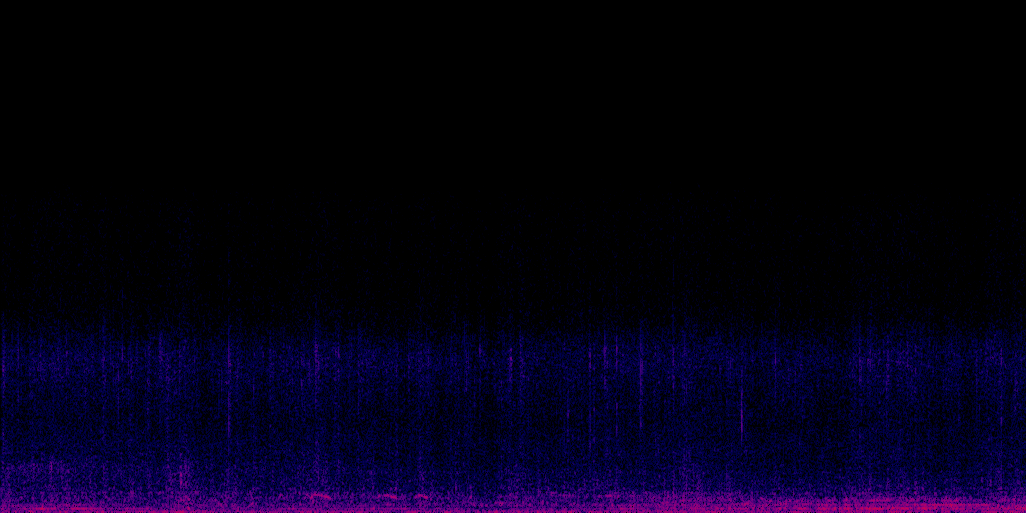
Clearest recording · Oct 31 12:18 am · 96% sure
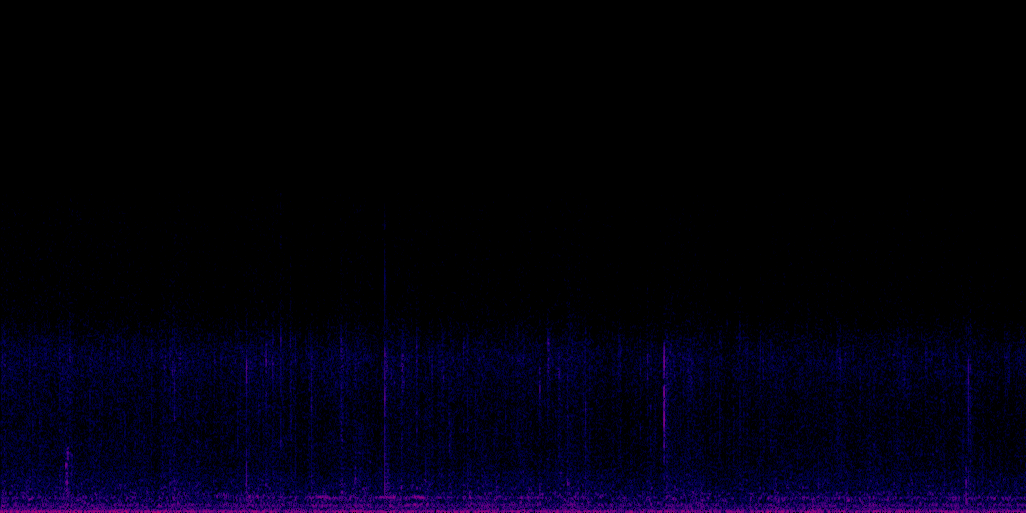
Recent · Oct 31 12:26 am · 85% sure
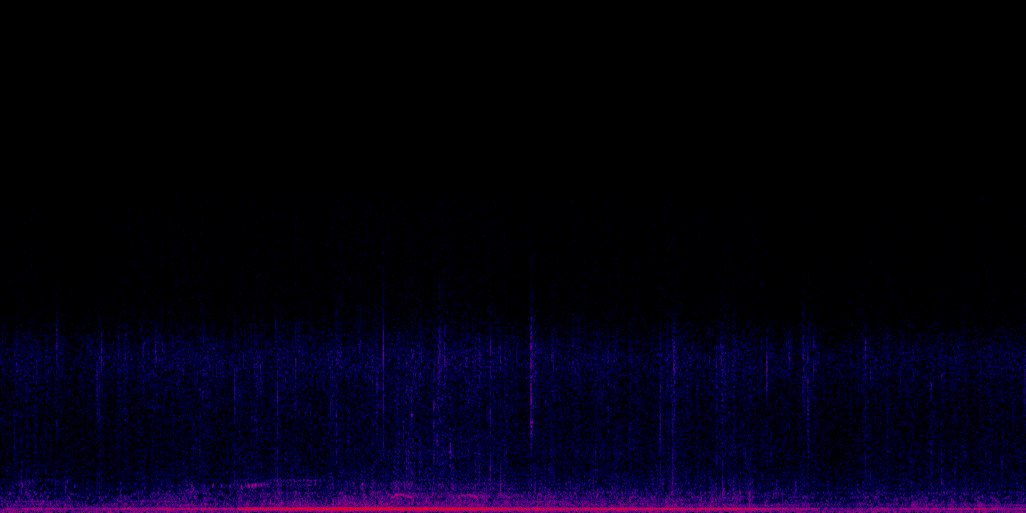
Recent · Oct 31 12:26 am · 93% sure
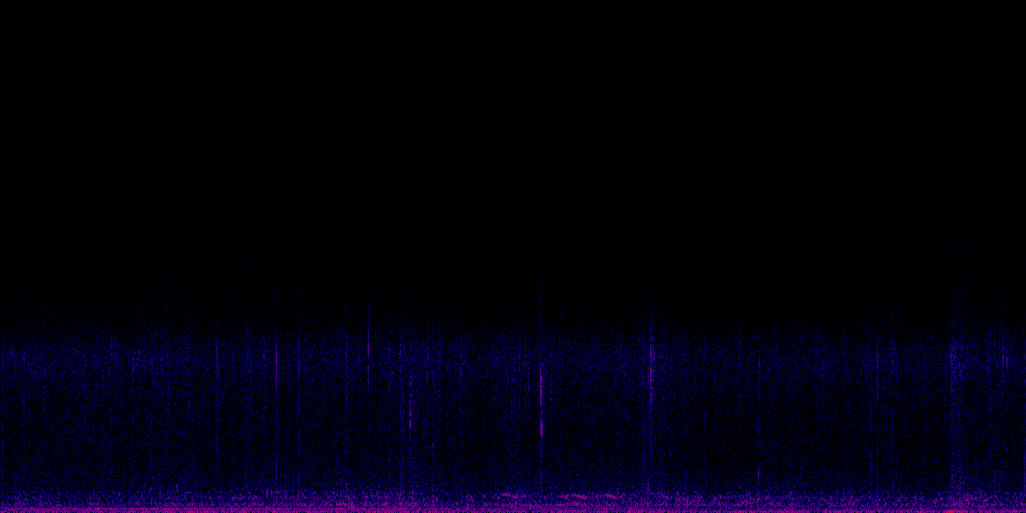
Recent · Oct 31 12:22 am · 94% sure
From the encyclopedia
The great horned owl, also known as the tiger owl or the hoot owl, is a large owl native to the Americas. It is an extremely adaptable bird with a vast range and is the most widely distributed true owl in the Americas. Its diet consists primarily of rabbits and hares, rats and mice, and voles; it remains one of the few regular predators of skunk. Hunting also includes rodents, larger mid-sized mammals, birds, reptiles, amphibians, and invertebrates.
From Wikipedia, "Great horned owl", CC BY-SA 4.0.