Larch Creek Birds
What the birds (and frogs) are saying at a creek in western Washington
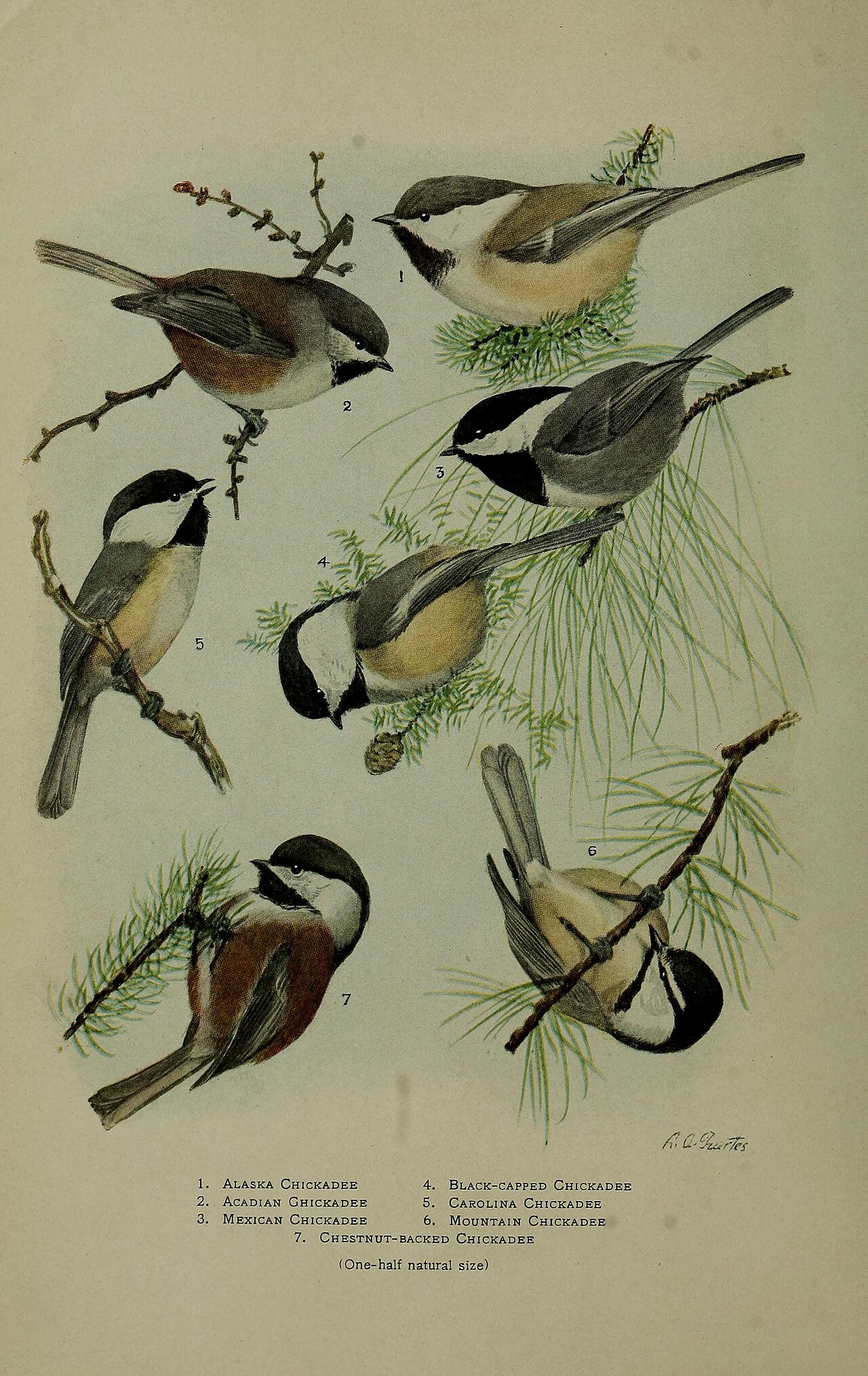

Bird
Black-capped Chickadee
Poecile atricapillus
Tits, Chickadees, and Titmice (Paridae)
Year-round resident. Expected at the creek in every month.
- Field marks
- A tiny round bird with a black cap and bib, white cheeks and buff flanks; acrobatic, curious and entirely without fear of anything.
- Male & female
- Alike.
- Voice
- The 'chick-a-dee-dee-dee' call, where more 'dees' means more danger (a hawk gets four or five), and a clear two-note 'fee-bee' whistle.
- Diet
- Insects, spiders, seeds and berries. Hides thousands of seeds in autumn and remembers where, growing new brain cells each fall to manage the filing.
- Habitat
- Deciduous and mixed woodland, gardens; in deep conifer forest the Chestnut-backed Chickadee tends to take over.
- Nesting
- Excavates a hole in soft rotten wood or uses a box; 6–8 eggs.
- Size
- 4½–6 in long, about four tenths of an ounce: one AA battery, which somehow survives a Minnesota winter.
Winter flocks of chickadees lead the way through the forest; kinglets, nuthatches and creepers follow them, on the sound principle that chickadees notice hawks first.
Season how expected it is here, week by week
At the creek 45 calls on 3 days, first Oct 29, last Oct 31
Recordings
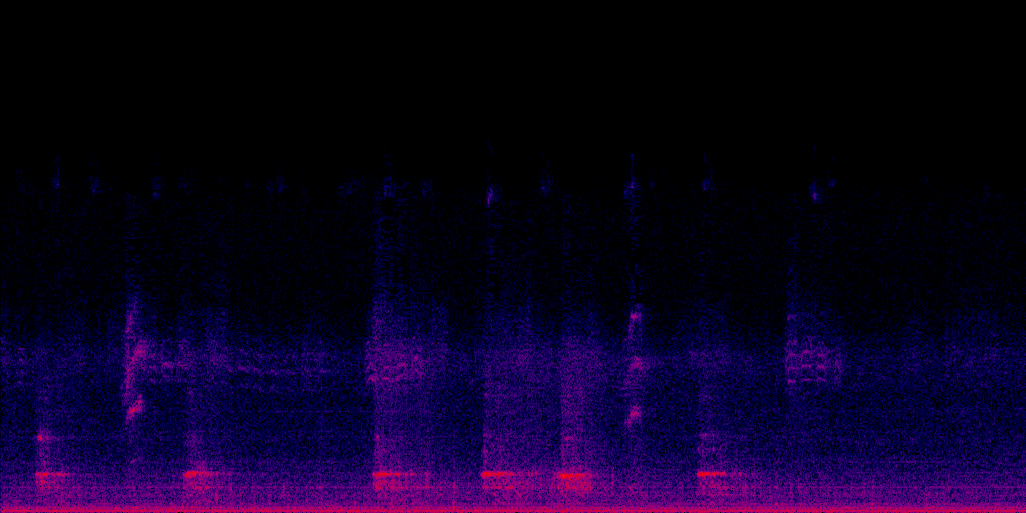
Clearest recording · Oct 29 11:54 am · 96% sure
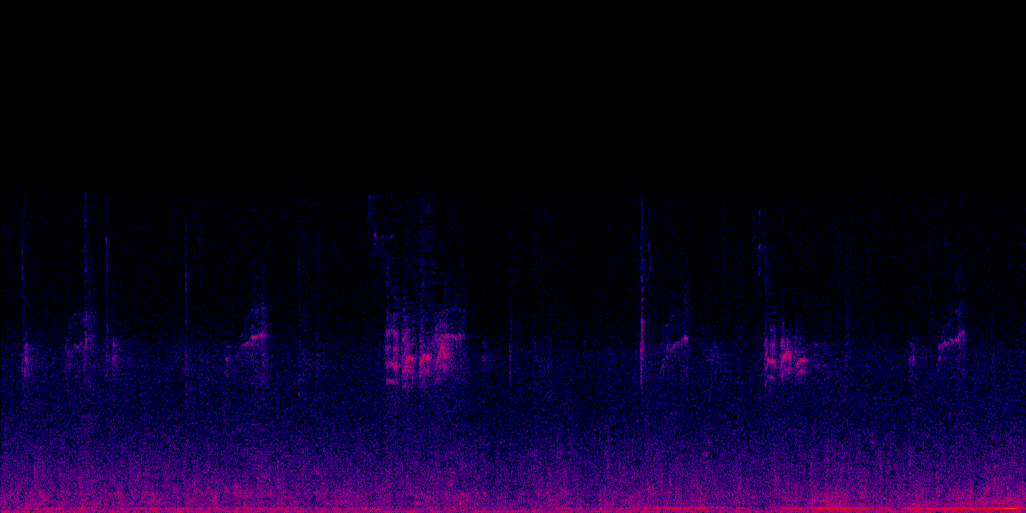
Recent · Oct 31 3:34 pm · 91% sure
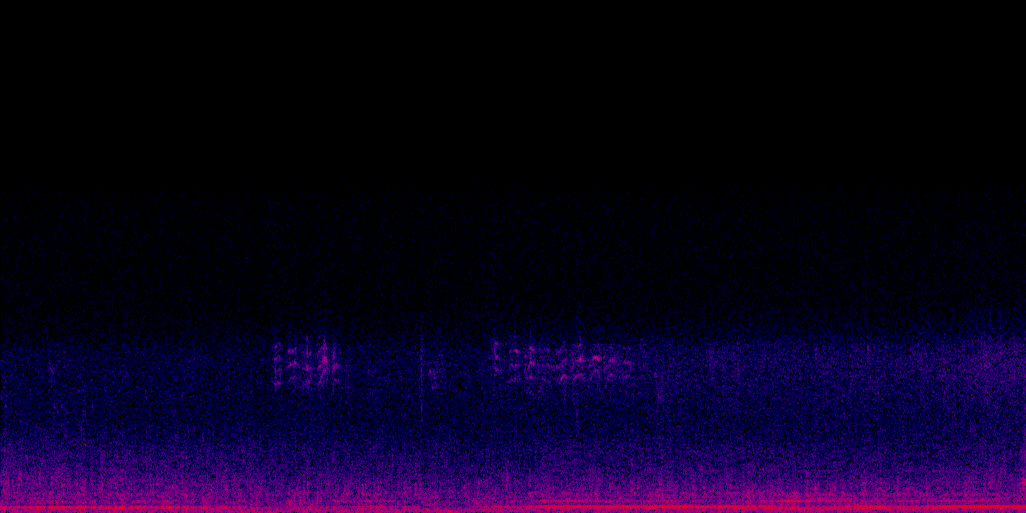
Recent · Oct 31 3:33 pm · 85% sure
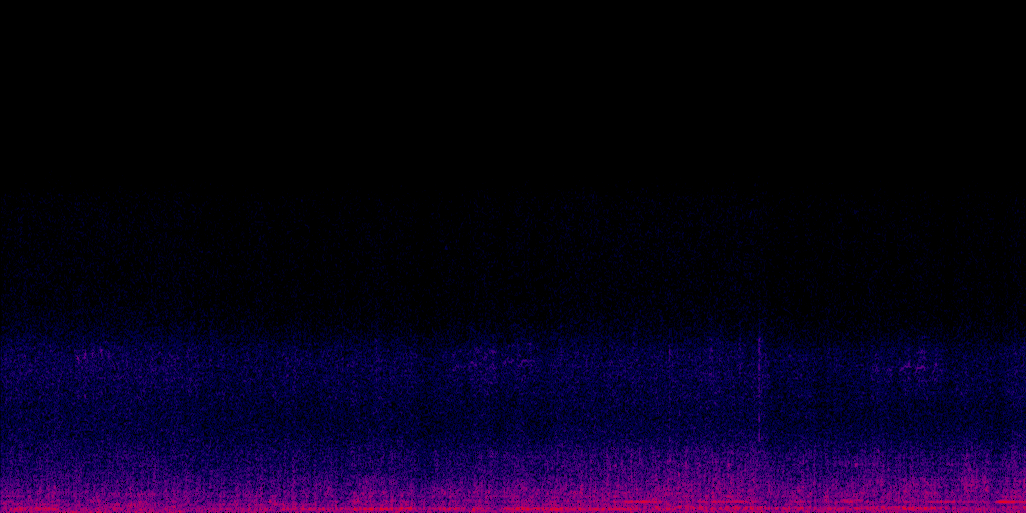
Recent · Oct 31 12:25 pm · 86% sure
From the encyclopedia
The black-capped chickadee is a small, nonmigratory, North American passerine bird that lives in deciduous and mixed forests. It is a member of the Paridae family, also known as tits. It has a distinct black cap on its head, a black bib underneath, and white cheeks. It has a white belly, buff sides, and grey wings, back, and tail. The bird is well known for its vocalizations, including its fee-bee song and its chick-a-dee-dee-dee call, from which it derives its name.
From Wikipedia, "Black-capped chickadee", CC BY-SA 4.0.