Larch Creek Birds
What the birds (and frogs) are saying at a creek in western Washington

Mammal
Red Fox
Vulpes vulpes
Canidae
New for the creekUnexpected nowMammal
Occasional. Never better than a coin toss here in any week of the year.
- Field marks
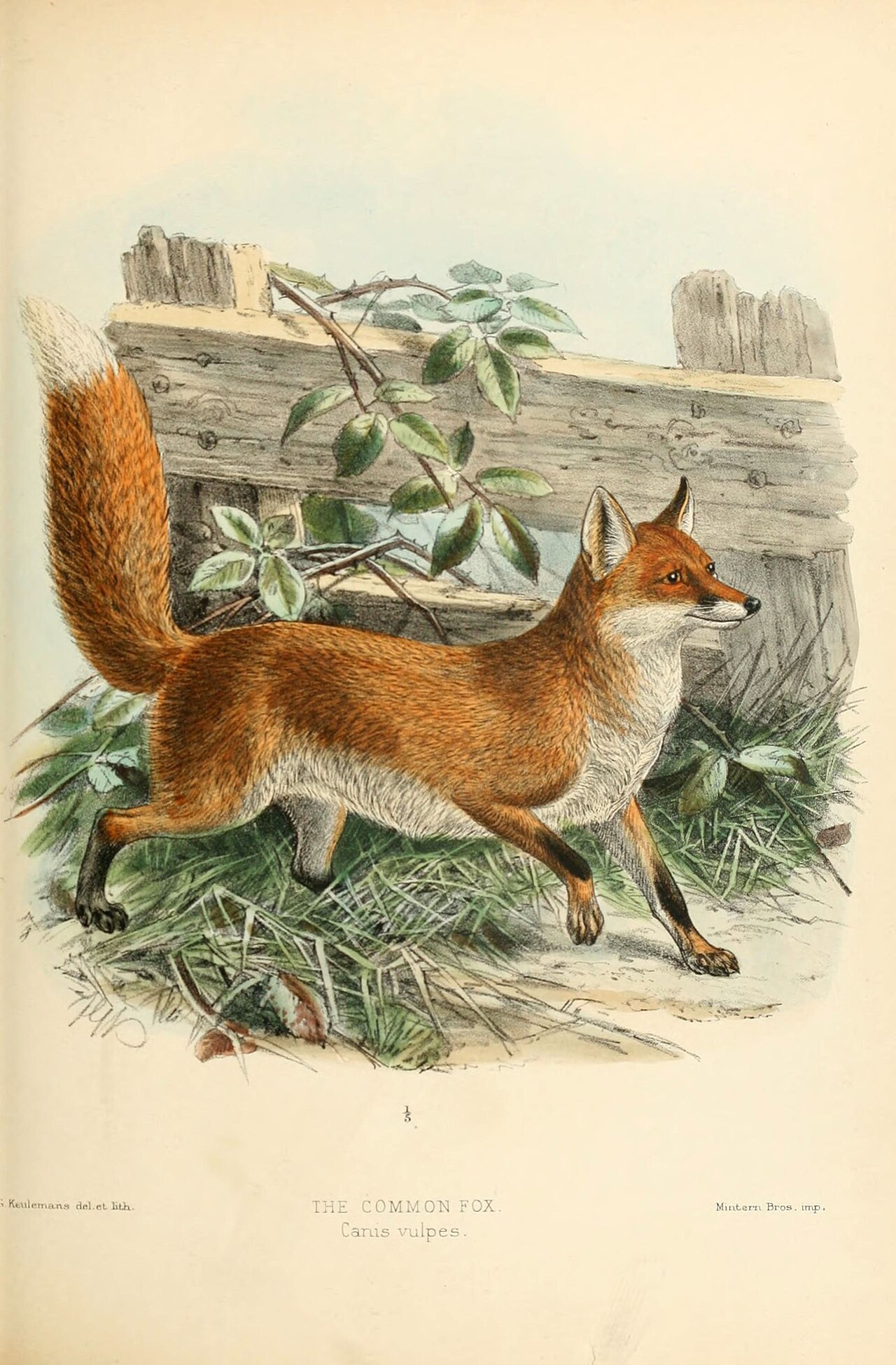
- A slim, rusty-red fox with black legs and ears and a bushy white-tipped tail; in the Northwest some are grey or dark 'cross' forms.
- Male & female
- Alike; males slightly larger.
- Voice
- A hoarse, screaming bark at night in winter, especially in the January–February mating season, that has sent many people to the window convinced of something much worse; also a sharp 'wow-wow-wow'.
- Diet
- Mice and voles, located by hearing them under the snow and pouncing in a high arc; rabbits, birds, fruit, insects, carrion.
- Habitat
- Farmland, forest edges, suburbs; more an animal of open country than coyotes are in this region.
- Nesting
- An earth den, often an enlarged burrow; kits born in March–April.
- Size
- 8–15 lb, about 3½ ft nose to tail-tip: a house cat's weight on longer legs, with a tail like a feather duster.
Lowland foxes in western Washington are mostly descendants of fur-farm escapees, unlike the native Cascade red fox of the high mountains. A fox 'scream' in autumn is unusual enough to be worth listening to the clip.
Season how expected it is here, week by week
At the creek 6 calls on 1 day, first Oct 31, last Oct 31
Recordings
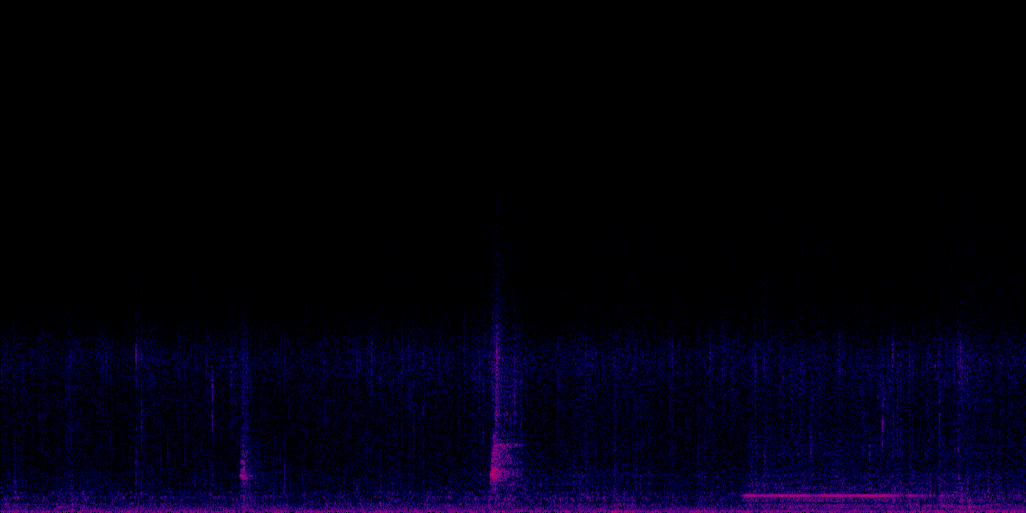
Clearest recording · Oct 31 5:46 am · 92% sure
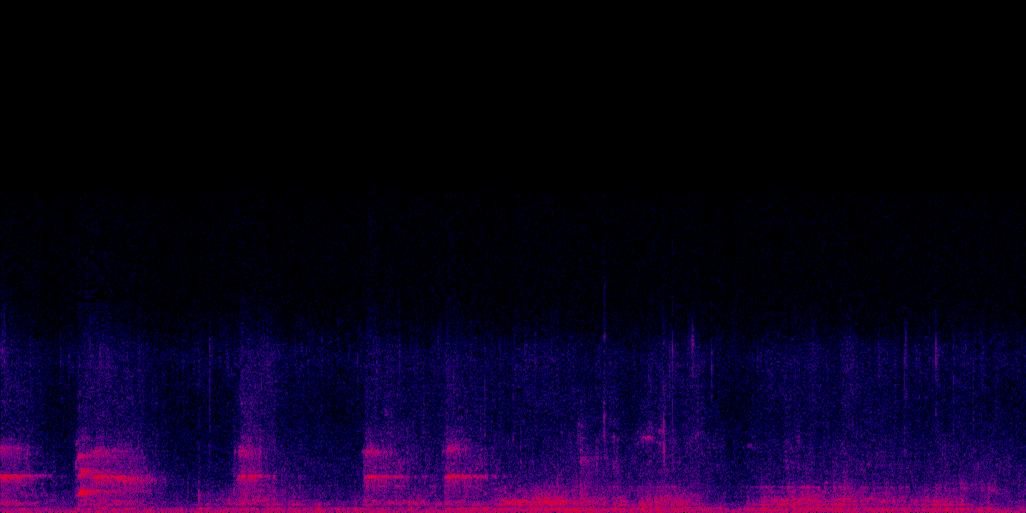
Recent · Oct 31 10:39 am · 90% sure
From the encyclopedia
The red fox is the largest of the true foxes, and the most widely distributed member of the order Carnivora. It is present across the entire Northern Hemisphere, including most of North America, Europe and Asia, as well as parts of North Africa. Its range has expanded alongside human settlement, with the species having been introduced into Australia, where it preys on native small and medium-sized rodents and marsupials. The red fox is listed as of Least Concern on the IUCN Red List. Because of its impact on native species, it is included on the list of the "world's 100 worst invasive species".
From Wikipedia, "Red fox", CC BY-SA 4.0.