Larch Creek Birds
What the birds (and frogs) are saying at a creek in western Washington
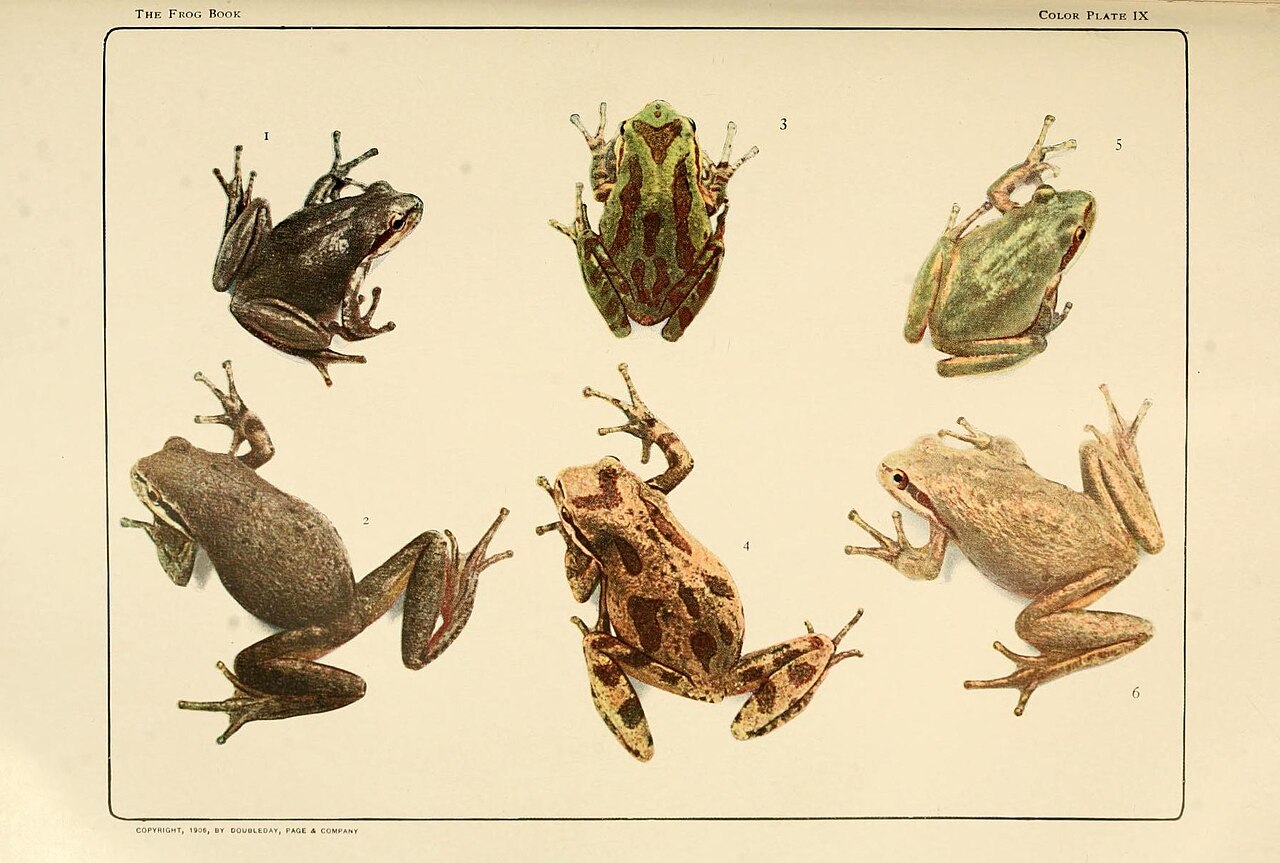

Frog
Pacific chorus frog
Pseudacris regilla
Hylidae
Heading outFrog
Resident, scarcer in winter. Here most of the year, with a dip in winter. Moving on: expectation falls from 83% now to 65% a month from now.
- Field marks
- A small, smooth frog, green to brown or grey (it can change over a few days), with a dark mask through the eye and sticky toe pads.
- Male & female
- Males are smaller with a dark, loose throat sac; females have a pale throat.
- Voice
- The two-note 'rib-bit' heard in every film ever made, regardless of continent, and a dry 'krr-r-r-ek' land call in autumn.
- Diet
- Insects and spiders.
- Habitat
- Ponds, ditches and wet meadows in spring; damp woods and gardens the rest of the year, including the inside of garden hoses.
- Nesting
- Small egg clusters attached to submerged stems from January to May.
- Size
- 1–2 in long, lighter than a sugar packet, louder than the neighbour's leaf blower.
The frog that gives the creek its spring chorus. Autumn rains trigger scattered calling again, which is what Perch is picking up now.
Season how expected it is here, week by week
At the creek 15 calls on 2 days, first Oct 29, last Oct 31
Recordings
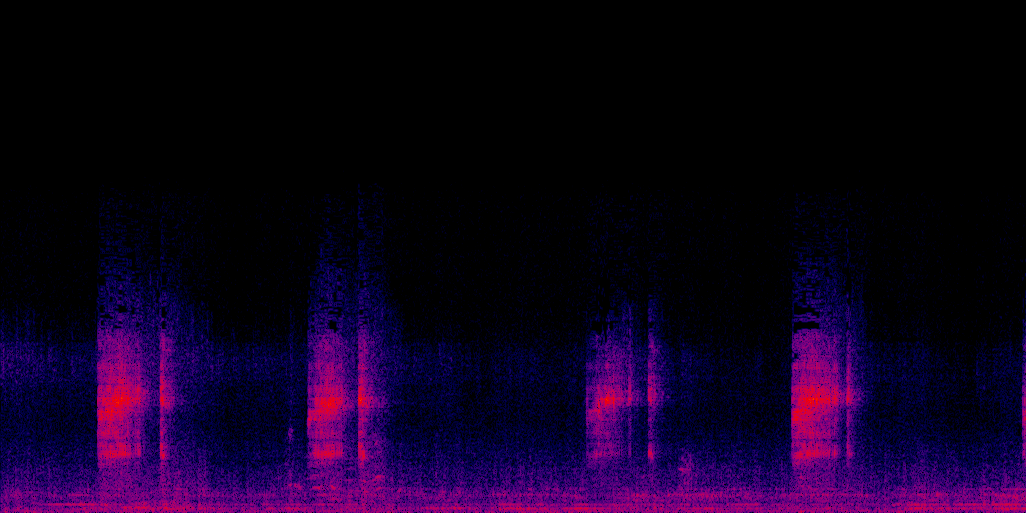
Clearest recording · Oct 29 4:14 pm · 93% sure
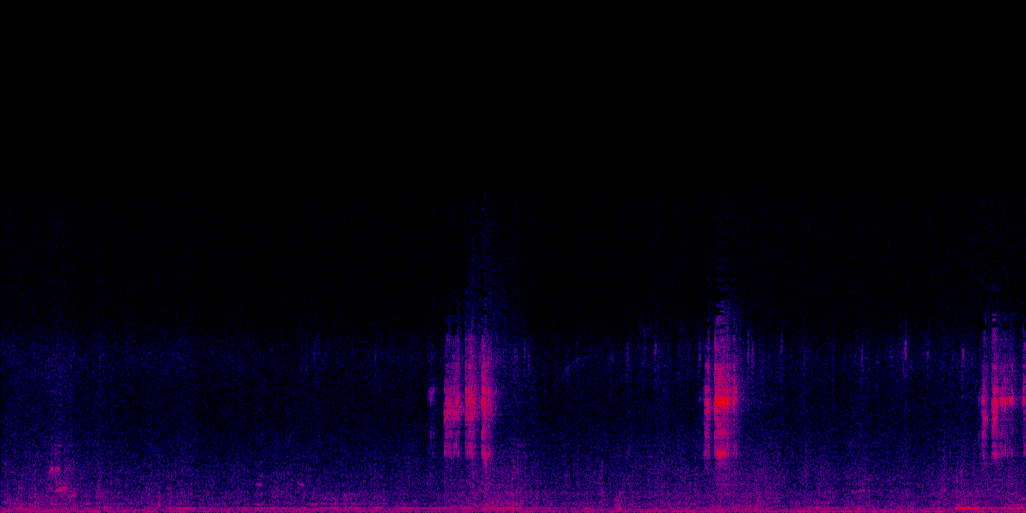
Recent · Oct 31 4:08 pm · 90% sure
Recent · Oct 31 1:35 pm · 91% sure
Recent · Oct 29 4:30 pm · 91% sure
From the encyclopedia
The Pacific tree frog, also known as the Pacific chorus frog, has a range spanning the Pacific Northwest, from Northern California, Oregon, and Washington to British Columbia in Canada and extreme southern Alaska. They live from sea level to more than 10,000 feet in many types of habitats, reproducing in aquatic settings. They occur in shades of greens or browns and can change colors over periods of hours and weeks.
From Wikipedia, "Pacific tree frog", CC BY-SA 4.0.